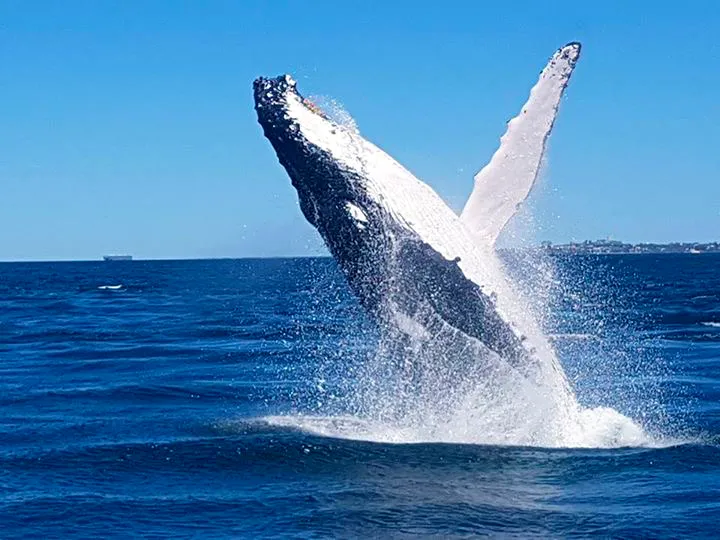
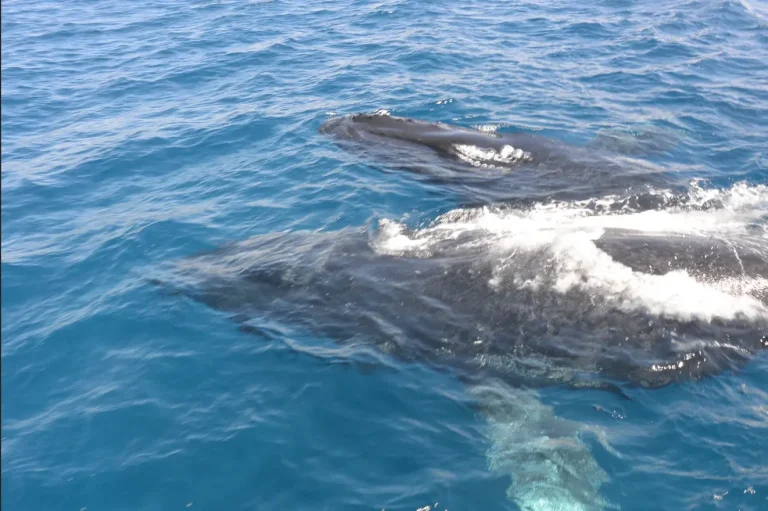
Every year, humpback whales undertake one of the longest migrations of any mammal on Earth.
Travelling thousands of kilometres between Antarctica and tropical waters near Queensland, these incredible marine mammals continue to fascinate scientists and whale watchers alike.
Why Humpback Whales Travel North
Humpback whales migrate north during winter to breed, mate and give birth in warmer waters.
The tropical climate provides safer conditions for newborn calves, which are born without enough body fat to survive freezing Antarctic temperatures.
Warm northern waters allow calves to grow stronger before the long journey south.
The Journey Back to Antarctica
After breeding season, humpback whales return to Antarctica where nutrient-rich waters provide abundant feeding opportunities.
There, humpbacks consume enormous quantities of krill to rebuild energy reserves.
New Research Into Whale Migration
Marine scientists continue to discover new reasons behind humpback migration.
Research conducted by marine ecologist Robert Pitman suggests whales may migrate partly to assist with skin regeneration and moulting.
As humpbacks move into warmer waters, they are able to shed damaged skin more efficiently, helping remove bacteria and maintain healthy skin condition.
Climate Change and Migration Patterns
Scientists are also studying how climate change may influence whale migration timing, feeding availability and ocean temperatures.
Long-term monitoring is becoming increasingly important to understand how changing marine environments affect humpback whale populations.
Witness the Migration on the Sunshine Coast
The Sunshine Coast offers front-row access to this extraordinary migration every winter.
Aboard Crusader 1, guests regularly experience close encounters with migrating whales as they travel along the famous Humpback Highway.