Drone technology is rapidly changing the future of whale research.
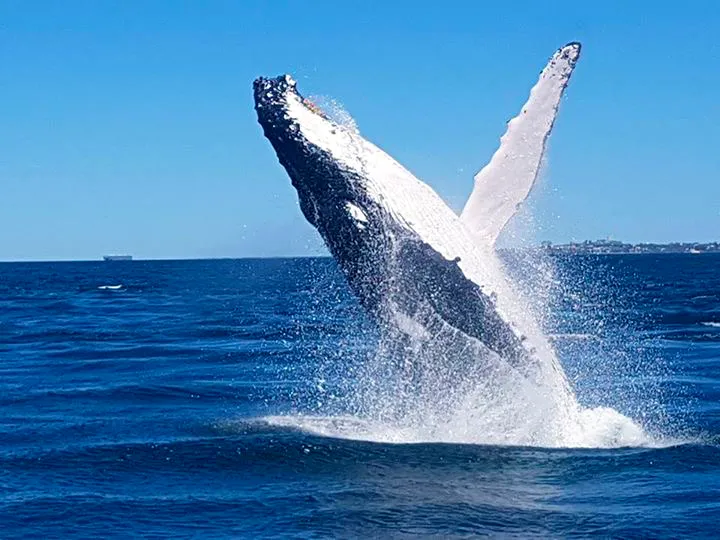
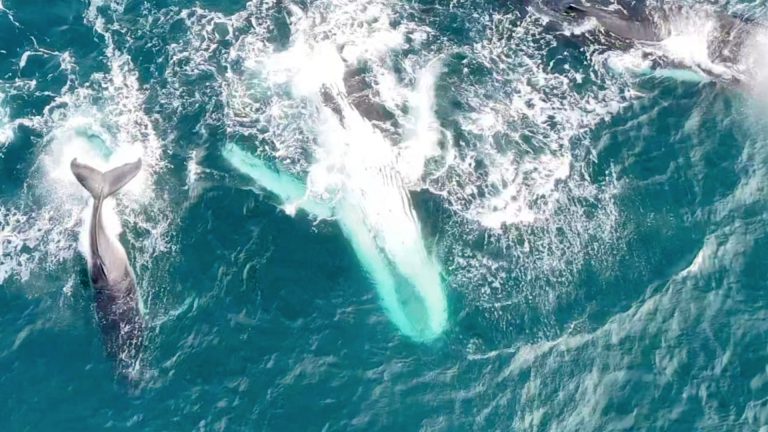
Marine scientists are now using specialised drones to collect valuable information about humpback whale health, behaviour and reproduction without disturbing the animals.
How Drones Are Used in Whale Research
Researchers use waterproof drones fitted with collection devices to safely gather samples from whale blow, often referred to as “whale snot.”
These samples provide important information about:
- Whale health
- Hormone levels
- Pregnancy
- Stress indicators
- Respiratory health
Because the samples are collected from healthy whales in the wild, drone technology offers a safer and less invasive alternative to older research methods.
Research Led by Marine Scientists
Australian marine biologist Dr. Vanessa Pirotta has helped pioneer drone-based whale research techniques that are now gaining international attention.
These innovations are helping scientists better understand whale populations while minimising stress on marine animals.
Cameras Revealing Hidden Whale Behaviour
Modern research devices now include small suction-cup cameras attached temporarily to whales.
These cameras capture:
- Mother and calf interactions
- Nursing behaviour
- Diving patterns
- Swimming movements
- Breathing rhythms
For scientists, this technology offers a rare glimpse into the underwater lives of humpback whales.
Why Non-Invasive Whale Research Matters
One of the greatest advantages of drone technology is that it allows researchers to study whales with minimal disruption to their natural behaviour.
Traditional research methods often required closer vessel interaction or physical sampling techniques, whereas drones can safely collect valuable scientific data from above.
This approach supports more ethical and eco-conscious marine research practices while still providing accurate information for scientists and conservation organisations.
The Future of Whale Research Technology
As technology continues to advance, drones and remote monitoring devices are expected to play an even greater role in marine biology and whale conservation.
Researchers are already exploring new ways to use aerial imaging, thermal sensors and artificial intelligence to better understand whale migration, population health and environmental change.
These innovations are helping scientists gather more accurate data while ensuring humpback whales remain protected in their natural environment.
Whale Watching and Marine Research on the Sunshine Coast
Each whale watching season on the Sunshine Coast provides valuable opportunities for marine observation and education.
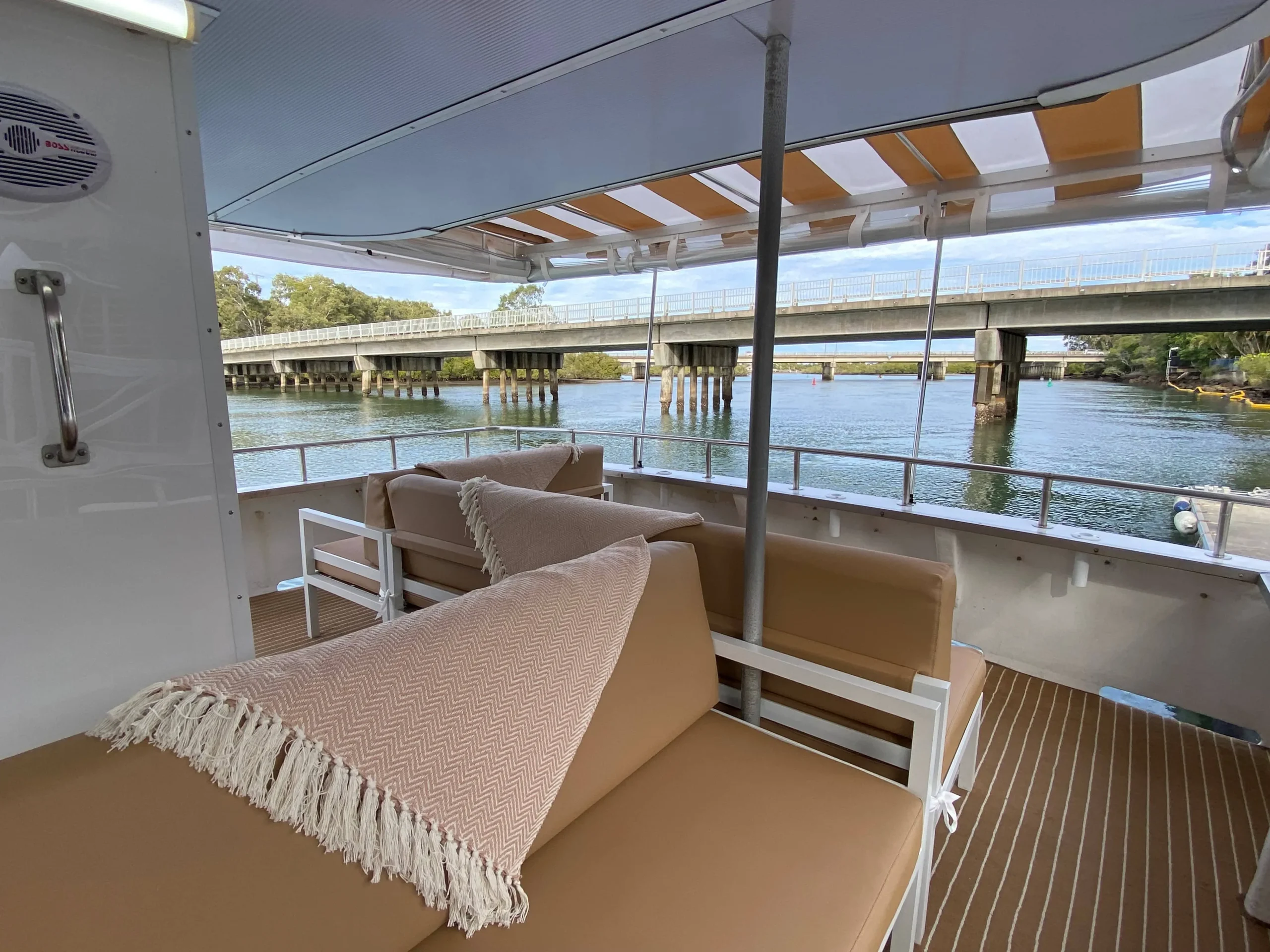
Aboard Crusader 1, guests not only experience close encounters with migrating humpback whales, but also gain insight into the important scientific work helping protect these extraordinary marine mammals for future generations.
Experience Sunshine Coast Whale Watching
If you would like to witness humpback whales during their annual migration along the Queensland coastline, Sunshine Coast Afloat offers relaxed small-group whale watching tours designed for comfort, education and unforgettable encounters on the water.
To learn more about whale watching tours, private charters or online bookings, visit Sunshine Coast Afloat.