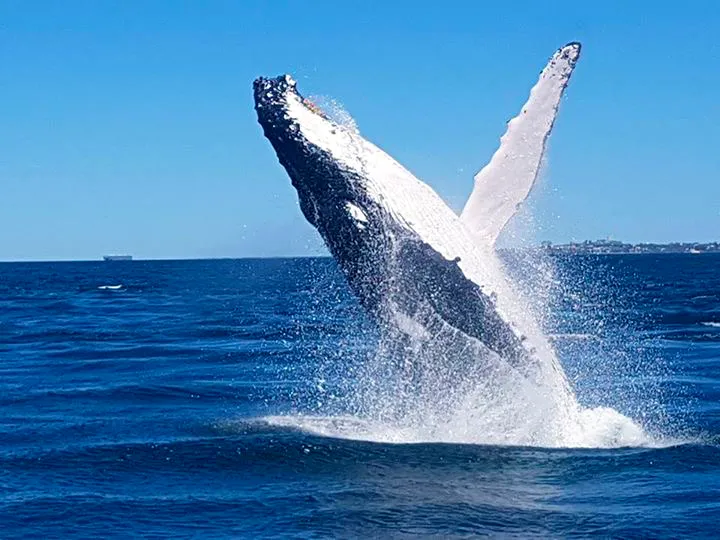
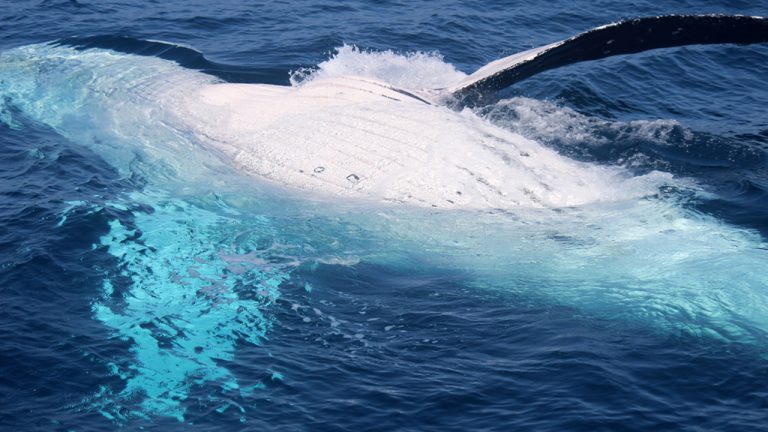
Humpback whales are more than just incredible marine mammals — they also play an important role in maintaining healthy ocean ecosystems.
Scientists are increasingly discovering how whales contribute to marine biodiversity, nutrient cycling and even climate regulation, making whale conservation more important than ever.
How Whales Support Ocean Ecosystems
Whales help circulate nutrients throughout the ocean.
As humpback whales feed and migrate, they redistribute important nutrients between deep and surface waters, supporting plankton growth and healthy marine food chains.
These nutrients encourage the growth of phytoplankton — microscopic marine organisms that form the foundation of ocean ecosystems and play a critical role in absorbing carbon dioxide from the atmosphere.
Healthy whale populations can therefore contribute to healthier oceans overall.
The Role of Whale Waste in Ocean Health
Recent Antarctic research suggests whale faeces may help stimulate biological productivity in marine ecosystems.
Whale waste contains nutrients such as iron and nitrogen that support the growth of phytoplankton and other microscopic organisms essential for marine life.
Scientists are now studying how this process may help regulate ocean acidity and contribute to natural carbon storage within ocean environments.
Although research is ongoing, early findings suggest whales may have a far greater impact on ocean health than previously understood.
Whales and Climate Change Research
Marine researchers continue to investigate how whale populations influence:
- Carbon absorption
- Ocean nutrient cycles
- Marine biodiversity
- Ecosystem stability
- Climate resilience
As scientific understanding grows, whales are increasingly recognised as an important part of healthy marine ecosystems and long-term ocean sustainability.
Why Whale Conservation Matters
Although humpback whale populations along Australia’s east coast have recovered significantly since the end of commercial whaling, conservation efforts remain essential.
Modern threats facing whales include:
- Climate change
- Ocean pollution
- Fishing gear entanglement
- Beach protection shark nets
- Vessel strikes
- Underwater noise pollution
Protecting whale populations helps preserve not only these remarkable marine mammals, but also the broader health of marine ecosystems worldwide.
Responsible Whale Watching on the Sunshine Coast
Responsible whale watching plays an important role in marine conservation and public education.
At Sunshine Coast Afloat, whale watching tours aboard Crusader 1 are conducted with eco-conscious practices designed to minimise disturbance to whales while providing guests with respectful and memorable wildlife encounters.
Through education and awareness, whale watching experiences can help inspire greater appreciation for marine conservation and the protection of ocean environments.
Experience Whale Watching on the Sunshine Coast
Every whale watching season offers the opportunity to witness humpback whales migrating along the Sunshine Coast while learning more about the important role whales play in our oceans.
From breaching adults to mothers travelling with calves, each encounter aboard Crusader 1 is a reminder of how connected marine life is to the health of our planet. To learn more about Sunshine Coast whale watching tours, private charters and online bookings, visit Sunshine Coast Afloat.