Genetic research is helping scientists unlock extraordinary insights into humpback whale populations.
By collecting small skin and blubber samples from whales, researchers can study relationships, migration patterns and population health across entire oceans.
This growing field of marine science is playing an important role in understanding how humpback whale populations recover, interact and adapt to changing ocean environments.
How Scientists Collect Whale DNA
Researchers use specially designed hollow-tipped darts to collect tiny tissue samples from whales without causing significant harm or disruption.
These samples contain genetic material that allows scientists to study:
- Family relationships
- Population diversity
- Migration connections
- Breeding behaviour
- Long-term population recovery
The collection process is carefully managed by trained marine researchers and conducted under strict scientific and environmental guidelines.
Understanding Whale Family Groups
Genetic analysis can reveal whether whales travelling together are related.
Using DNA data, scientists can identify:
- Parent and calf relationships
- Sibling connections
- Breeding populations
- Links between whale pods
- Population mixing between regions
This information helps researchers better understand how humpback whales socialise and migrate across vast ocean distances.
Tracking Whale Populations Across Oceans
Whale DNA research also helps scientists identify how different humpback whale populations connect throughout the Pacific and Southern Oceans.
Researchers can determine whether whales seen along the Sunshine Coast belong to larger interconnected populations or smaller isolated groups.
This information is critical for international conservation planning and long-term species protection.
Why Genetic Research Matters for Whale Conservation
Genetic diversity is essential for healthy whale populations.
By studying whale DNA, scientists can monitor population recovery following decades of commercial whaling and identify potential environmental threats affecting future generations.
Genetic studies also allow marine scientists to better understand how humpback whales may adapt to:
- Climate change
- Ocean temperature shifts
- Habitat changes
- Food availability
- Human activity in marine environments
Combining Science With Whale Watching
Whale watching operations can play an important role in supporting marine research.
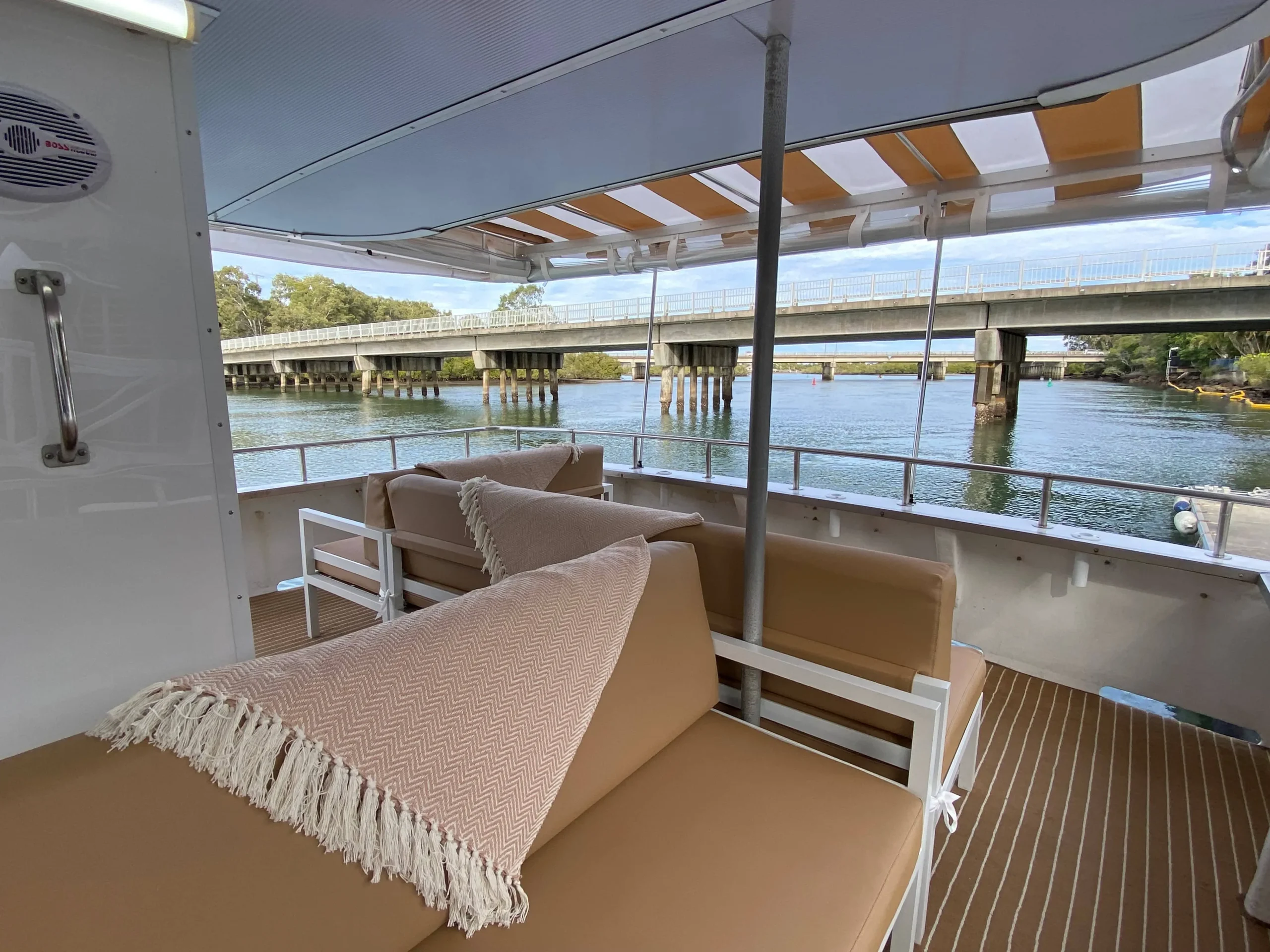
Each whale season aboard Crusader 1, sightings and observations contribute to the growing body of scientific knowledge surrounding humpback whale behaviour and migration along Australia’s east coast.
Combined with satellite tracking, photo identification and acoustic monitoring, genetic sampling provides one of the clearest pictures yet of humpback whale population health.
Experience Whale Watching on the Sunshine Coast
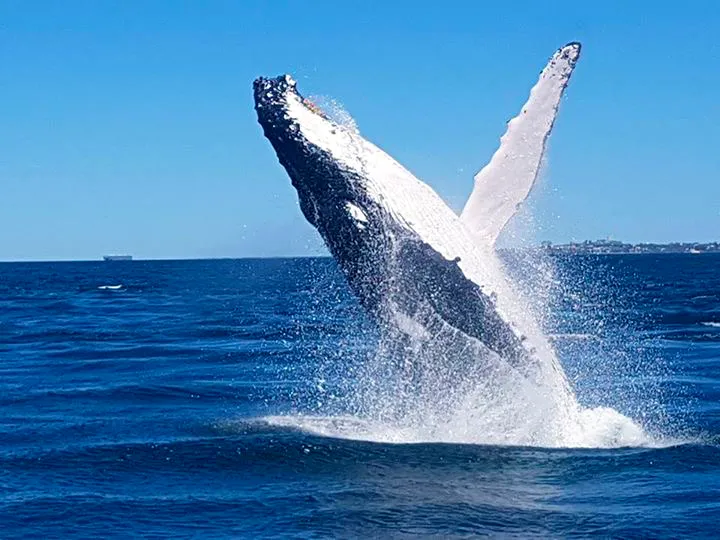
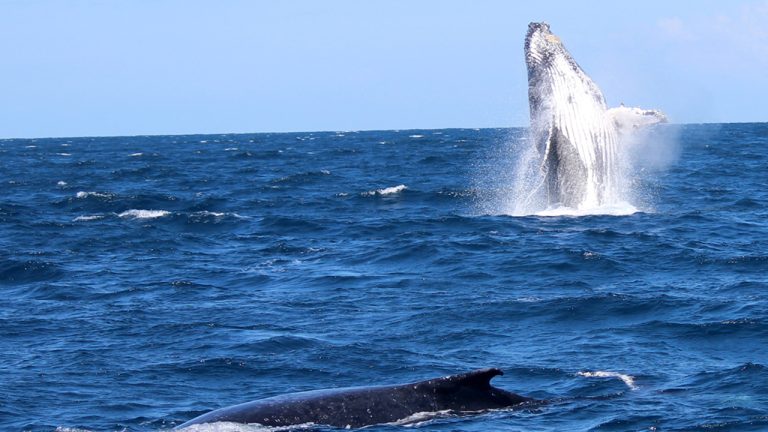
Whale watching tours aboard Crusader 1 offer guests the opportunity to experience humpback whales up close while learning more about the incredible science helping protect these majestic marine mammals.
From mothers travelling with calves to breaching adults migrating along the Queensland coastline, every encounter provides a deeper appreciation for whale conservation and ocean life. To learn more about Sunshine Coast whale watching tours, private charters and online bookings, visit Sunshine Coast Afloat.